Why Cellulite Appears: Unraveling Causes Beyond Weight and Genes
The quest for smoother skin is a common thread among countless individuals, particularly women, who often find themselves staring at the tell-tale dimples of cellulite. This natural skin phenomenon, affectionately (or not-so-affectionately) dubbed "orange peel skin," is a source of frustration for many. It's often misunderstood, leading to a host of myths and ineffective remedies. Many search queries, such as the persistent "Wie Bekomme Ich Cellulite Weg?" (How do I get rid of cellulite?), reflect a deep desire for answers and effective solutions. But before we dive into strategies for smoother skin, it's crucial to understand *why* cellulite appears in the first place.
Contrary to popular belief, cellulite isn't solely a problem for those carrying extra weight, nor is it a sign of poor health. In reality, it's a complex interplay of biology, genetics, and lifestyle factors. Let's peel back the layers to uncover the true origins of those dimples.
Understanding Cellulite: More Than Just Fat
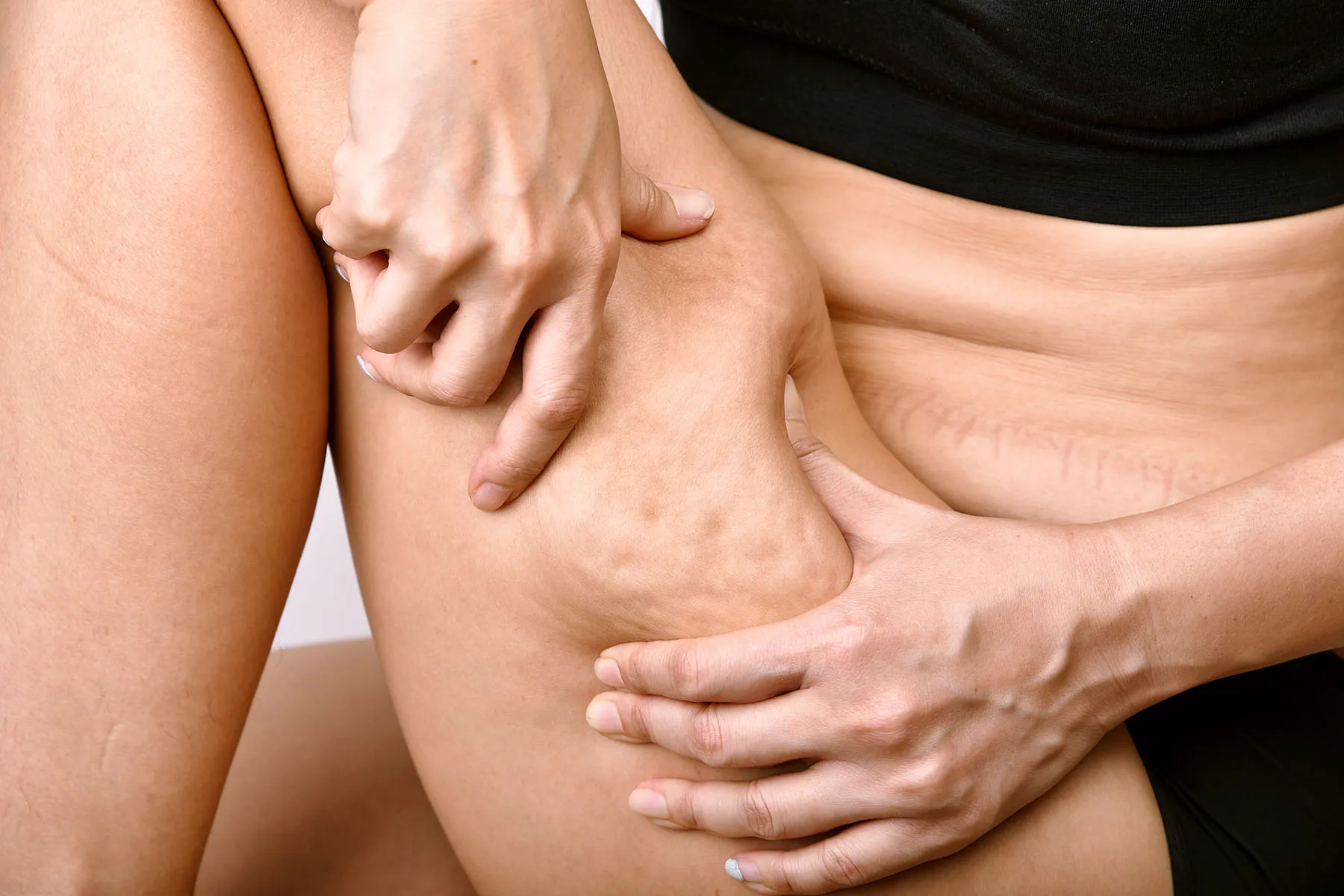
At its core, cellulite is an aesthetic change in the skin's surface, most commonly found on the thighs, hips, and buttocks. It manifests as a dimpled or puckered appearance, resembling the texture of an orange peel. While it involves fat cells, it's not simply an accumulation of fat in the way obesity is. Instead, it's about how these fat cells interact with the surrounding connective tissue and skin structure.
Imagine your skin as layers. The outermost layer is the epidermis, followed by the dermis, and then the subcutaneous layer where fat cells reside, nestled within a network of fibrous connective tissue bands. When these fat cells enlarge or accumulate, they push outwards against the skin. Simultaneously, the fibrous bands, which are tethered to the underlying muscle, pull downwards. This push-and-pull dynamic creates the uneven surface we recognize as cellulite. It's important to reiterate that cellulite is a purely cosmetic concern and has no detrimental effects on your health.
The Biological Blueprint: Why Women Are More Prone
If cellulite isn't just about weight, then what makes it so prevalent, especially among women? The answer lies largely in fundamental biological and anatomical differences between sexes.
Female Connective Tissue Structure
The primary reason women are far more susceptible to cellulite—with an estimated 80-90% experiencing it at some point—is the distinct architecture of their connective tissue. In women, the collagen fibers in the subcutaneous layer are arranged in parallel columns, much like vertical picket fences. This parallel arrangement creates compartments where fat cells can easily push through and bulge upwards towards the surface when they expand. Think of it as a loose net that allows fat to peek through.
Conversely, men possess a crisscross, net-like, or interwoven structure of connective tissue. This tighter, more robust mesh holds fat cells more securely in place, preventing them from pushing up and causing dimpling. This anatomical difference is a significant protective factor for men, which is why cellulite is rarely observed in them.
The Role of Hormones, Especially Estrogen
Female hormones, particularly estrogen, also play a crucial role. Estrogen is involved in the formation of fat cells, particularly in areas like the hips, thighs, and buttocks. It can also influence blood vessel integrity, fluid retention, and collagen production, all of which contribute to the appearance of cellulite. Hormonal shifts throughout a woman's life—during puberty, pregnancy, or menopause, and even with the menstrual cycle—can impact the visibility of cellulite by affecting fluid balance, fat storage, and connective tissue elasticity.
Genetics: The Hand You're Dealt
While often associated with weight, genetics are a far more significant determinant of cellulite. If your mother or grandmother had cellulite, you're more likely to develop it, regardless of your body weight. This genetic predisposition doesn't necessarily mean you're doomed, but it does mean you might inherit a weaker or less elastic connective tissue structure, making you more prone to the dimpled appearance. Thin individuals can, and often do, have cellulite simply because of their inherited connective tissue quality.
Beyond Genetics and Weight: Unveiling Other Contributing Factors
While genetics and biological differences lay the foundation, several other lifestyle and physiological factors can exacerbate or improve the appearance of cellulite.
Poor Circulation and Lymphatic Drainage
A sluggish circulatory system can prevent proper blood flow and nutrient delivery to skin cells, while poor lymphatic drainage can lead to fluid retention and toxin buildup. Both contribute to inflammation and can weaken connective tissue, making cellulite more apparent. Stagnation in these systems can also make the fat cells swell and press against the connective fibers more prominently.
Diet and Nutrition
What you eat plays a role. A diet high in processed foods, unhealthy fats, sugar, and excessive salt can lead to inflammation, fluid retention, and damage to collagen and elastin fibers—the building blocks of healthy connective tissue. Conversely, a diet rich in antioxidants, lean proteins, healthy fats, and ample hydration supports healthy skin and connective tissue.
Lack of Physical Activity
A sedentary lifestyle is a significant contributor. Without regular movement, circulation suffers, muscles weaken, and fat accumulation can increase. While exercise doesn't "cure" cellulite, it significantly improves its appearance by building muscle tone, boosting circulation, and reducing body fat percentage. Stronger muscles underneath the skin provide a firmer base, making the skin appear smoother.
Dehydration
Proper hydration is vital for skin elasticity and overall cellular function. When you're dehydrated, your skin can lose its plumpness and elasticity, making any existing cellulite more noticeable. Water also aids in flushing toxins from the body and supporting lymphatic function.
Hormonal Imbalances (Beyond Estrogen)
While estrogen is key, other hormones can also influence cellulite. Insulin resistance, for example, can promote fat storage. Thyroid hormones regulate metabolism and skin health. Imbalances in these systems can indirectly affect fat distribution, circulation, and connective tissue health.
Smoking and Stress
Smoking damages collagen and elastin, accelerating skin aging and weakening connective tissue. Stress, on the other hand, can lead to increased cortisol levels, which can impact fat storage and overall body composition, potentially exacerbating cellulite.
Taking a Holistic Approach: What Really Helps
Given the multifaceted nature of cellulite, it's clear there's no single "magic bullet." The quest for "Wie Bekomme Ich Cellulite Weg" demands a holistic, consistent approach that addresses multiple contributing factors. Many cosmetic treatments promise quick fixes but often fail to deliver sustainable results because they don't tackle the underlying causes.
However, you can significantly improve the appearance of cellulite and cultivate a better body feeling by adopting a comprehensive strategy:
- Exercise Regularly: A combination of strength training and cardiovascular exercise is highly effective. Strength training (like squats, lunges, and leg presses mentioned in our reference) builds muscle mass, which tightens the skin's appearance from underneath. Endurance exercises (swimming, cycling, running, inline skating) boost circulation and help reduce overall body fat. To explore specific routines, check out our article on Reduce Cellulite: Top Exercises & Sports for Firmer Skin.
- Adopt a Healthy Diet: Focus on whole, unprocessed foods. Incorporate plenty of fruits, vegetables, lean proteins, and healthy fats. Reduce sugar, salt, and processed carbohydrates to minimize inflammation and fluid retention.
- Stay Hydrated: Drink plenty of water throughout the day to support skin elasticity, flush toxins, and improve circulation.
- Improve Circulation and Lymphatic Flow: Regular massage (including dry brushing), foam rolling, and even contrast showers (alternating hot and cold water) can stimulate blood flow and lymphatic drainage.
- Manage Stress and Avoid Smoking: Prioritize stress reduction techniques and avoid smoking to protect your collagen and overall skin health.
- Maintain a Healthy Weight: While thin people can have cellulite, maintaining a healthy body fat percentage can reduce the pressure on connective tissue, making cellulite less noticeable.
Remember, consistency is key. Visible improvements often take time, and a sustained effort across these areas yields the best results. For a deeper dive into effective strategies, refer to our comprehensive guide on How to Really Get Rid of Cellulite: Effective Strategies for Smoother Skin.
Conclusion
Cellulite is a normal, harmless, and incredibly common skin condition, particularly among women, deeply rooted in our biological and genetic makeup. While it's not a direct consequence of weight, a range of lifestyle factors can certainly influence its visibility. Understanding that it stems from the intricate relationship between fat cells, connective tissue, and hormones empowers you to move beyond frustration and embrace a holistic approach. By combining targeted exercise, a nourishing diet, proper hydration, and lifestyle adjustments, you can significantly improve the appearance of your skin and foster a stronger, more confident body image, moving closer to effectively addressing the question of "Wie Bekomme Ich Cellulite Weg."